This is Article 7 of 9 in the Foundations Series.
← Back to the full series list
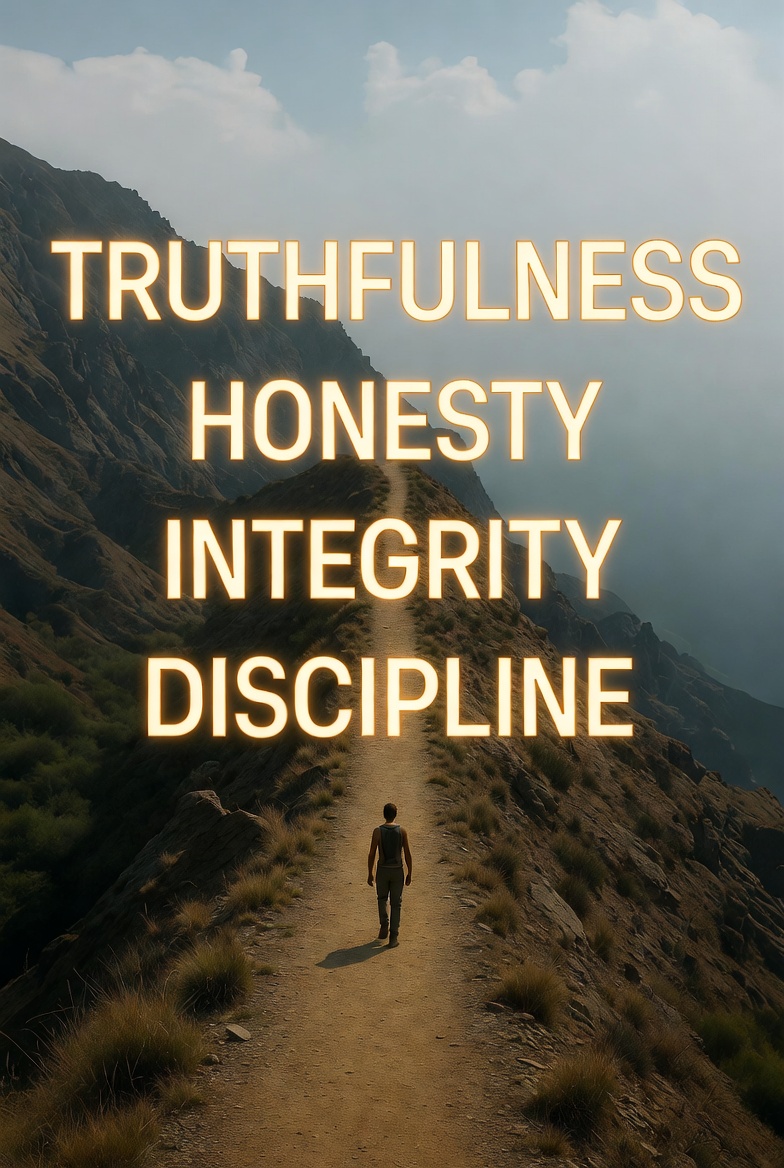
Character and integrity are the disciplined application of truth, critical thinking, ethics, and civil discourse. They determine whether we merely know what is right or actually live it consistently. This article explores key virtues, explains the discipline required to embody them, and provides practical steps for building strong character. On The Dwarfstar Chronicles, character and integrity are not optional — they are the standard.
Why Character And Integrity Matter Now More Than Ever
We live in a world that often rewards image over substance and convenience over consistency. People can speak eloquently about truth and ethics while living in contradiction. True character is what remains when no one is watching and when doing the right thing is difficult or costly.
Character is the sum of our virtues in action. Integrity is the alignment between what we believe, what we say, and what we do. Without discipline, these remain nice ideas rather than lived reality. This article builds directly on previous Foundations pieces: truth, critical thinking, ethics and morals, and civil discourse. It shows how to close the gap between knowing and living.
The Core Virtues Of Character And Integrity
The following virtues form the foundation of strong character. Each is described with its meaning and practical examples.
Truthfulness
Truthfulness is the commitment to speak and live in accordance with reality, even when it is inconvenient or painful. It goes beyond avoiding lies to actively pursuing and representing what is true.
Example: A forum member who admits they were wrong in a previous post rather than doubling down to save face.
Honesty
Honesty is the refusal to deceive others or oneself. It includes both words and actions. Honest people do not exaggerate achievements, hide failures, or present a false version of themselves.
Example: In business or personal life, disclosing relevant facts even when it might cost a deal or relationship.
Charity
Charity is the generous giving of time, resources, or kindness without expecting return. It flows from compassion and strengthens community bonds.
Example: Quietly helping a struggling forum member with advice or resources, or donating time to moderate discussions fairly.
Compassion
Compassion is the ability to recognize suffering in others and respond with genuine care. It does not mean excusing wrongdoing, but it does mean treating people with dignity.
Example: Offering constructive criticism without cruelty, or helping someone in the forum who is struggling without judgment.
Cooperation
Cooperation is the willingness to work together toward common goals, putting aside personal ego for collective benefit.
Example: Collaborating on a forum project or discussion thread to reach better understanding rather than competing to be right.
Courage
Courage is the willingness to do what is right despite fear, discomfort, or potential cost. It is not the absence of fear but action in its presence.
Example: Speaking truth in a hostile environment or standing up for someone being treated unfairly.
Discipline
Discipline is the consistent practice of doing what is right even when it is difficult or unpleasant. It is the engine that turns virtues into habits.
Example: Sticking to a training routine, maintaining consistent standards in forum moderation, or refusing to engage in gossip.
Gratitude
Gratitude is the recognition and appreciation of what is good. It counters entitlement and fosters a positive outlook.
Example: Publicly acknowledging the contributions of others in the forum or in personal life.
Honor
Honor is living in a way that is worthy of respect. It involves keeping one’s word, acting with fairness, and upholding principles even when no one is watching.
Example: Returning a lost item or admitting a mistake that could have gone unnoticed.
Humanity
Humanity is the recognition of our shared human condition and the choice to treat others with basic kindness and understanding.
Example: Showing patience to a new forum member who asks basic questions instead of dismissing them.
Humility
Humility is the honest recognition of one’s limitations and the absence of arrogance. It allows a person to learn, accept correction, and give credit where it is due.
Example: A knowledgeable person who listens respectfully to opposing views instead of dominating every discussion.
Justice And Fairness
Justice is giving people what they are due — fair treatment, honest judgment, and equal application of standards.
Example: Moderating a debate without favoring one side, or admitting when a personal bias has influenced a decision.
Patience
Patience is the ability to endure delay, difficulty, or provocation without becoming frustrated or angry.
Example: Waiting for evidence before forming strong conclusions or giving others time to grow.
Perseverance
Perseverance is the determination to continue pursuing what is right despite setbacks, fatigue, or opposition.
Example: Continuing to seek truth and maintain standards even when it feels thankless.
Respect
Respect is honoring the inherent dignity of all people. It includes civility, courtesy, and avoiding unnecessary harm or condescension.
Example: Disagreeing with someone’s ideas without attacking their character or intelligence.
Responsibility
Responsibility is owning one’s actions, decisions, and their consequences. It rejects blame-shifting and victimhood.
Example: Admitting fault in a conflict rather than making excuses.
Self-Control (Temperance)
Self-control is the ability to master impulses, emotions, and desires. It prevents destructive behavior and supports long-term goals.
Example: Refraining from an angry reply in a heated thread or resisting the urge to spread unverified information.
Service To Others
Service is the deliberate choice to contribute to the well-being of others and the community. It counters selfishness and builds trust.
Example: Moderating discussions fairly, helping new members, or sharing knowledge without expecting anything in return.
Wisdom (Prudence)
Wisdom is the ability to apply knowledge and experience with good judgment. It involves knowing when to speak, when to listen, and how to act.
Example: Choosing the right moment and tone to offer difficult feedback.
The Discipline Required To Live These Virtues
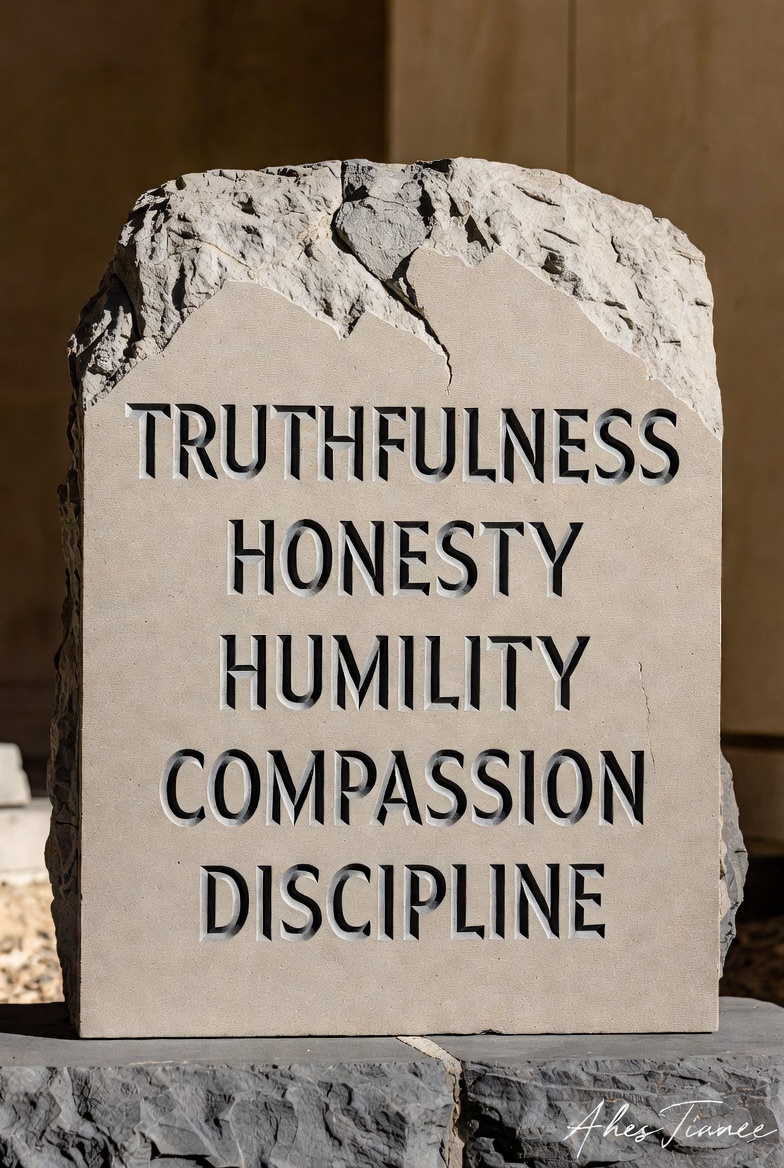
Virtues are not automatic. They require intentional, repeated practice. Discipline turns ideals into character through daily choices. Without discipline, even the best intentions fade under pressure, temptation, or fatigue.
Discipline shows itself in small, consistent actions: choosing honesty when a lie would be easier, practicing self-control in an argument, or maintaining standards when no one is watching. Over time, these choices build the inner strength that defines real character.

Common Pitfalls In Developing Character
- Inconsistency — Living one way in public and another in private.
- Selective Virtue — Being disciplined in some areas while excusing failure in others.
- Pride In Virtue — Using good behavior to feel superior rather than to serve truth and others.
- Giving Up When It Is Hard — Abandoning standards during stress or opposition.
- Hypocrisy — Preaching virtues one does not practice.
Building Character Through Deliberate Practice
- Identify one virtue to focus on each month.
- Track daily decisions related to that virtue.
- Seek accountability from trusted people.
- Reflect weekly on progress and failures.
- Study examples of people who embodied strong character.
Consistency in small things builds the capacity for larger challenges.
Realistic Solutions And Action Steps
- Choose one virtue from the list above and practice it deliberately this week.
- Review your recent interactions (forum or personal) for alignment with these virtues.
- Share one example of practicing integrity in the Foundations or Civil Discourse category.
- Mentor or encourage someone else in developing one of these virtues.
Call To Action
Character and integrity are not abstract concepts. They are daily disciplines. Choose one virtue from this list and begin living it with intention today. Over time, these choices compound into a life that is consistent, trustworthy, and worthy of respect. This is how foundations hold — not just in what we know, but in who we become.