This is Article 4 of 9 in the Foundations Series.
← Back to the full series list
Critical thinking is the disciplined art of evaluating truth claims objectively, using evidence, logic, and self awareness to separate fact from fiction, propaganda, and self deception. Building directly on Article 2 (what truth is) and Article 3 (spotting deception), this article equips you with practical tools to test claims rigorously. It is not about being cynical or contrarian, it is about relentlessly pursuing accuracy in a world drowning in noise. Master this, and you gain intellectual independence. Skip it, and you remain vulnerable to manipulation.
Why Critical Thinking Matters Now More Than Ever
We live in an era of information overload, where algorithms amplify emotionally charged claims, media outlets prioritize clicks over accuracy, and even experts often peddle half truths or outright nonsense. A claim’s popularity or emotional appeal says nothing about its truth value. Bold Point: Critical Thinking Is Your Personal Firewall Against Deception.
Without it, you accept convenient lies that feel good or align with your tribe. With it, you build a foundation for better decisions in health, finance, politics, relationships, and technology. Real world payoff? Stronger critical thinkers experience fewer negative life events and make sharper calls under pressure. Dry humor observation: If only more people applied this before hitting share, social media would be 80 percent less stupid.
This skill builds sequentially on the Foundations series:
- Article 1 established why these basics matter.
- Article 2 defined truth as correspondence to reality.
- Article 3 taught recognition of lies and self deception.
Here, we turn defense into offense: systematic evaluation.
Core Components Of Critical Thinking And Reasoning
Critical thinking is not a vague skill. It combines three interlocking components: analysis, evaluation, and inference. Each plays a distinct role. Master their definitions and interplay, and you stop reacting emotionally to claims and start dissecting them like a mechanic troubleshooting an engine.
Analysis: Breaking Claims Into Parts
Analysis means dissecting a statement into its raw ingredients: premises (the supporting statements), evidence (data or observations), assumptions (unstated beliefs), and conclusions (the main point asserted). You identify what is actually being said versus implied.
Example: Take the claim This new weight training program builds massive strength fast. Analysis reveals the premise high intensity sessions, evidence often cherry picked testimonials, assumption results apply to everyone regardless of age or genetics, and conclusion you will get strong quickly. In my strength training background, I saw countless programs fail this breakdown, they ignored individual recovery limits or lacked progressive overload data. Without analysis, you chase hype and waste training years.
Evaluation: Assessing Credibility, Relevance, And Strength
Evaluation judges the quality of those parts. Is the source reliable? Does the evidence actually support the claim? Are there gaps, biases, or contradictions? This step demands checking for logical soundness and real world applicability.
Example: During tech career shifts from mainframes to PCs, vendors claimed This system will revolutionize your workflow. Evaluation involved testing specs against actual benchmarks, reviewing independent case studies, and noting hidden costs like training or downtime. Many claims collapsed under scrutiny because evidence was anecdotal or outdated. Key Point: Good evaluation separates correlation from causation and demands replication.
Inference: Drawing Conclusions Supported By Evidence
Inference is the careful leap from evidence to belief. Strong inference stays proportional to the data, you assign degrees of confidence rather than absolute certainty. Weak inference overreaches.
Example: Seeing consistent lunar eclipse shadows across cultures supports inferring Earth is spherical. But inferring therefore all conspiracy claims about space are false would be overreach without addressing each claim individually. In forum discussions on The Dwarfstar Chronicles, sound inference keeps debates productive instead of devolving into tribal shouting.
These components work together. Analysis feeds evaluation, which informs inference. Neglect one, and your reasoning crumbles. They form the engine that powers the step by step framework below.
Step By Step Framework For Evaluating Truth Claims
This repeatable process is the backbone of critical thinking. Apply it methodically to every significant claim, news, health advice, political promises, product pitches, or forum posts. Precision comes from slowing down and documenting each step, at least until it becomes automatic.
-
Identify The Claim Clearly
State the exact assertion in your own neutral words. Strip away emotional language, vagueness, or loaded terms. Vague claims hide flaws; precise ones invite testing. Ask: What would make this claim true or false?Detailed Precision: Write it down. Break compound claims into separate testable parts. Watch for weasel words like may, up to, or helps support.
Example: Original claim: This miracle supplement will change your life and boost energy dramatically. Rephrased: Daily intake of Product X increases reported energy levels by a noticeable amount in most users. This exposes the reliance on subjective reports. In weightlifting, I evaluated supplement claims this way, many promised dramatic gains but delivered placebo level results at best.
-
Determine The Type Of Claim
Classify it to set appropriate evaluation standards.- Factual Claim: Verifiable through observation or measurement (e.g., Water boils at 100 degrees C at sea level).
- Opinion Or Value Claim: Subjective and not fully provable (e.g., This is the best movie ever).
- Predictive Claim: Future oriented and testable later (e.g., This policy will reduce crime by 30 percent).
- Causal Claim: Asserts cause and effect (e.g., Social media causes depression).
Detailed Precision: Misclassifying leads to errors. Treat opinions as preferences, not facts. Demand falsifiability for causal or predictive claims.
Example: COVID era claims like Masks stop viral spread completely were causal and predictive. Classifying them correctly forced evaluation against randomized trials rather than emotional appeals or authority statements. Many failed when evidence showed limited real world efficacy in community settings.
-
Gather And Assess Evidence
Collect relevant data from multiple angles, then rate its quality. Prioritize primary sources, peer reviewed studies, and direct measurements. Discount anecdotes, cherry picked data, and conflicted sources.Detailed Precision:
- Source credibility: Expertise, track record, financial incentives, potential biases.
- Evidence quality: Study design (randomized controlled trials beat surveys), sample size, controls, statistical significance, replication.
- Consistency: Does it align with broader knowledge?
- Relevance: Does it directly address the claim?
Example: Investment pitches promising guaranteed 20 percent returns often cite past performance (weak evidence). Rigorous assessment requires audited financials, risk disclosures, and comparison to market benchmarks. In my tech background, evaluating new hardware meant demanding independent benchmarks, not manufacturer specs. Real world lesson: The replication crisis in psychology exposed dozens of famous studies that failed retesting, evidence looked strong until scrutinized.
-
Check For Logical Structure And Fallacies
Map premises to conclusions. Does the logic hold without gaps? Scan for common fallacies that derail reasoning.Detailed Precision And Common Fallacies:
- Ad Hominem: Attacking the person instead of the argument.
- Straw Man: Refuting a distorted version of the claim.
- False Dichotomy: Presenting only two options when more exist.
- Appeal To Authority: Expert said it without evidence review (experts err).
- Begging The Question: Assuming what you are trying to prove.
- Post Hoc Ergo Propter Hoc: Assuming sequence means causation.
- Slippery Slope: Claiming minor action leads inevitably to extreme outcomes without evidence.
- Appeal To Emotion: Feeling based persuasion over facts.
Example: Political claim If you oppose this spending bill, you hate the poor. This is a false dichotomy and straw man. Proper check reveals multiple budget alternatives exist. In forum moderation on The Dwarfstar Chronicles, spotting these fallacies keeps discussions truthful rather than combative.
-
Identify And Counter Cognitive Biases
Examine your own thinking and the claim’s emotional hooks. Humans are wired for bias, acknowledge it.Detailed Precision And Key Biases:
- Confirmation Bias: Seeking confirming info while ignoring contradictions. Counter: Actively hunt disconfirming evidence.
- Availability Heuristic: Overestimating likelihood based on memorable examples (e.g., fearing sharks after news stories).
- Motivated Reasoning: Twisting facts to protect ego, identity, or group loyalty.
- Anchoring: Over relying on initial information.
- Sunk Cost Fallacy: Continuing bad decisions because of prior investment.
Example: In exercising routines, many cling to a failing training program due to sunk costs and confirmation bias (It worked before!). Counter: Track objective metrics like performance, body composition, and recovery. Ask What would falsify my belief? In politics or health debates, motivated reasoning explains why smart people defend nonsense, identity protection trumps truth.
-
Consider Alternatives And Implications
Generate competing explanations. What else could explain the data? What happens if the claim is true or false? Test for falsifiability, can evidence disprove it?Detailed Precision: Use Occam’s Razor: Prefer simpler explanations with fewer assumptions. Weigh practical consequences and unintended outcomes.
Example: Claim This economic policy caused prosperity. Alternatives: Natural business cycles, external factors, or luck. Implications: If wrong, it may justify harmful future policies. Historical example: Many predicted doom from past technological shifts (e.g., computers destroying jobs), alternatives like productivity gains proved correct.
-
Reach A Provisional Conclusion And Update
Assign confidence based on evidence strength. Stay open to revision. Certainty is rare outside pure logic and math.Detailed Precision: Use probability language (likely, weak evidence, well supported). Schedule periodic reviews for evolving claims.
Example: Early AI hype claims required provisional acceptance pending benchmarks. As data emerged on limitations, conclusions updated. In personal life, revisiting old beliefs (training methods, investments) prevents stagnation.
Real World Applications And Examples
Critical thinking shines brightest when applied to messy, high stakes real life. Here are expanded examples across key domains. Use the framework consistently, and watch how claims that once seemed convincing fall apart.
Politics And Media
Political promises and media narratives are notorious for exaggeration and selective framing. Take the claim This new law will cut taxes for the middle class while funding essential services.
Apply the framework:
- Rephrase neutrally.
- Classify as predictive or causal.
- Gather budget analyses from non partisan sources and historical data on similar policies.
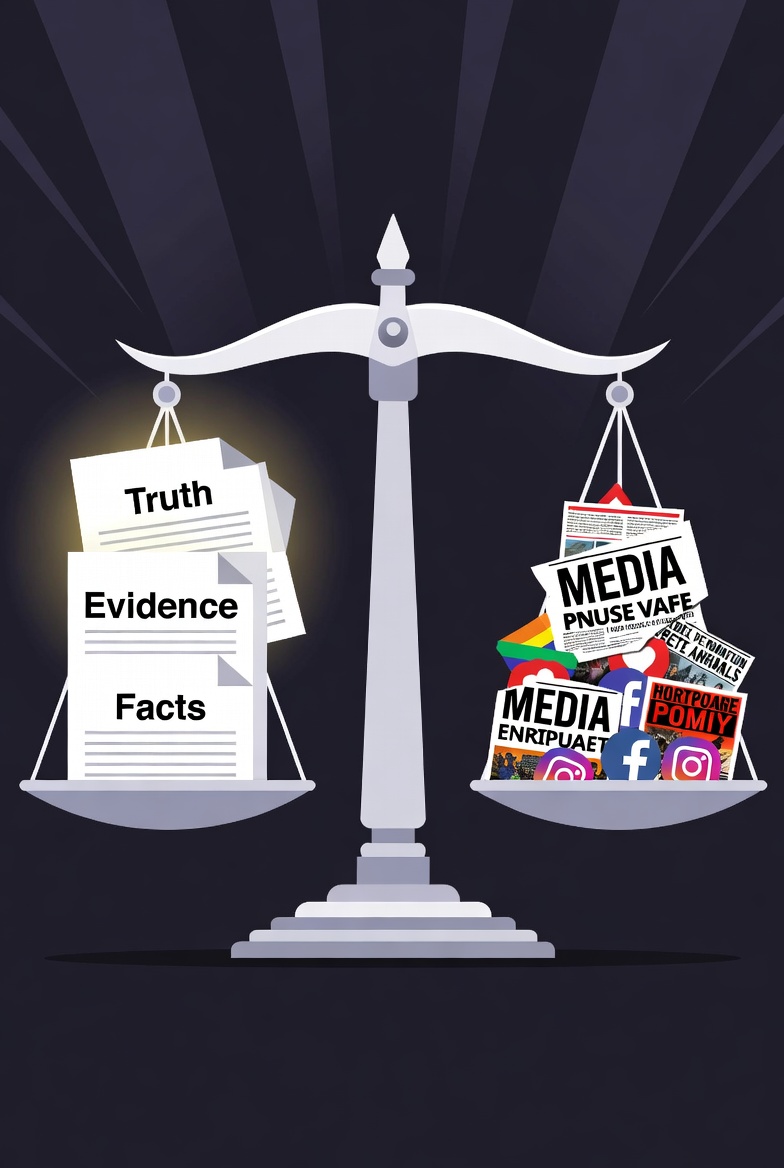
Check for hidden costs, unfunded mandates, and fallacies. Many such claims fail on evidence quality and unintended consequences like increased deficits or regulatory burdens. Dry humor: Politicians excel at post hoc reasoning, The economy improved after I took office, therefore my policies worked. Cross reference multiple outlets, including opposing ones, to counter confirmation bias. On The Dwarfstar Chronicles, this keeps political threads from descending into echo chambers. Broader lesson: Election cycles flood us with predictive claims. Rigorous evaluation using historical outcomes prevents repeated disillusionment.

Health And Fitness
From my background in strength training and holding Master world records, supplement and training claims are prime testing grounds. This pre workout will give you insane pumps and strength gains. Analysis reveals heavy reliance on marketing and anecdotes. Evaluation demands looking at ingredient studies, placebo controlled trials, and long term safety data. Many fail due to cherry picking or small sample sizes. Broader example: Diet trends like extreme keto or intermittent fasting. Classify as causal or predictive, then demand meta analyses on metabolic outcomes, not influencer testimonials. COVID policy claims provided another lesson, early mask and lockdown efficacy assertions were often overstated until larger, better designed studies emerged. Implication: Blind following can harm health; rigorous evaluation saves time, money, and well being. In acrobatics training, similar scrutiny prevented injury from unproven safe techniques.

Technology And Innovation
With over 45 years in tech, from mainframes to modern AI, hype cycles repeat. This new software will double productivity overnight. Inference step requires benchmarks, real user case studies, and compatibility tests. Alternatives: Training costs or workflow disruptions often outweigh benefits. AI sentience or singularity claims invite skepticism, evaluate training data limitations, hallucination rates, and independent audits rather than CEO pronouncements (appeal to authority fallacy). Lesson from personal career: Early PC adoption claims ignored legacy system integration pains. Apply this on the forum when discussing emerging tech to foster informed debates. Gaming claims (e.g., This GPU transforms FPS performance) benefit from independent reviews and your own benchmarks.
Personal And Financial Decisions
Investment scams or relationship advice often prey on hope. Guaranteed returns with no risk triggers immediate red flags in evidence gathering. Consider alternatives like market volatility. In family or community settings, evaluate advice against your values and data. Acrobatics and stunt background taught me this, This trick is safe demands proof via progressive training, not bravado. Hand drumming performance tips or modeling career advice follow the same process.
Historical And Scientific Lessons
The replication crisis in psychology: Many landmark studies on priming or willpower failed replication. Critical thinkers updated views instead of defending egos. Climate or economic models benefit from the same scrutiny, focus on predictive accuracy records. Forum moderation on The Dwarfstar Chronicles applies this daily to maintain truth focused dialogue.
Pitfalls Even Critical Thinkers Face
Even dedicated practitioners stumble. Awareness prevents overconfidence.
Radical Skepticism
Dismissing all claims as unknowable leads to paralysis. Counter: Provisional acceptance of well evidenced facts (e.g., gravity works reliably). Balance is key, total doubt achieves nothing.
Scientism
Believing only lab measurable things are real ignores philosophy, ethics, or personal experience. Balance: Different domains require tailored standards. Not everything reduces to a spreadsheet.
Over Reliance On Personal Experience
Anecdotes feel compelling but scale poorly. My strength training records taught what worked for me, not universally. Extrapolate cautiously.
Emotional Attachment And Identity Protection
Motivated reasoning intensifies when claims challenge worldview. Counter: Regularly ask What evidence would change my mind? This is brutally hard but essential.
Analysis Paralysis
Over applying the framework to trivial matters wastes energy. Prioritize high impact claims. Not every tweet deserves full dissection.
Echo Chamber Effects
Even on truth seeking forums, groupthink can creep in. Combat by inviting diverse, rigorous viewpoints. Dry humor: The biggest pitfall is thinking you have mastered it, that is when biases strike hardest.
False Precision Or Overconfidence
Assigning unwarranted certainty to conclusions. Stay humble with probabilities.
Building The Habit: Practical Exercises
Turn theory into skill through deliberate practice. These build progressively from simple to advanced.
- Daily Claim Dissection: Pick one headline or social post. Run full framework. Journal in 10 to 15 minutes. Start small to build consistency.
- Opposite Side Debate: Choose a strongly held belief. Argue against it using evidence. Builds empathy and uncovers weaknesses. Do this weekly.
- Bias Audit: Weekly review decisions for bias influence. Track in a simple log. Include fitness or tech choices from your own life.
- Group Application On The Dwarfstar Chronicles: Post a claim in Foundations category, apply framework publicly, invite civil scrutiny. This strengthens community critical thinking.
- Reading And Simulation: Study logic puzzles, fallacies lists, or primary sources. Simulate evaluating historical decisions (e.g., past elections or tech shifts).
- Progressive Challenges: Start with low stakes (product reviews), advance to politics or science. Teach a step to family or adult children for reinforcement and accountability.
- Metrics Tracking: In fitness or tech projects, log claims versus outcomes to calibrate inference accuracy. Review monthly for improvement.
- Forum Thread Analysis: Review old discussions on the Chronicles. Identify where better application could have elevated the dialogue.
Consistency compounds. In one month, you will spot flaws others miss automatically. Make it a core habit like warming up before exercising.
Realistic Solutions And Action Steps
- Print or save this framework as a checklist.
- Apply it to three claims this week and journal results.
- Share analyses in the Foundations category on chronicles.dwarfstar.com.
- Teach one step to family or friends.
Call To Action
Start today with one recent claim. Run it through the full framework. Post your breakdown on the forum. Truth seeking demands practice, do the work, gain clarity, strengthen the community. This is how foundations hold.