The Problem
Civility in debate is disappearing. Online and offline, conversations quickly devolve into personal attacks, outrage, and tribal shouting matches. What was once a tool for understanding and progress has become a weapon for scoring points or dominating opponents. This is not just rude — it is corrosive to truth-seeking itself.

Why Civility Is Eroding
Several forces drive this decline:
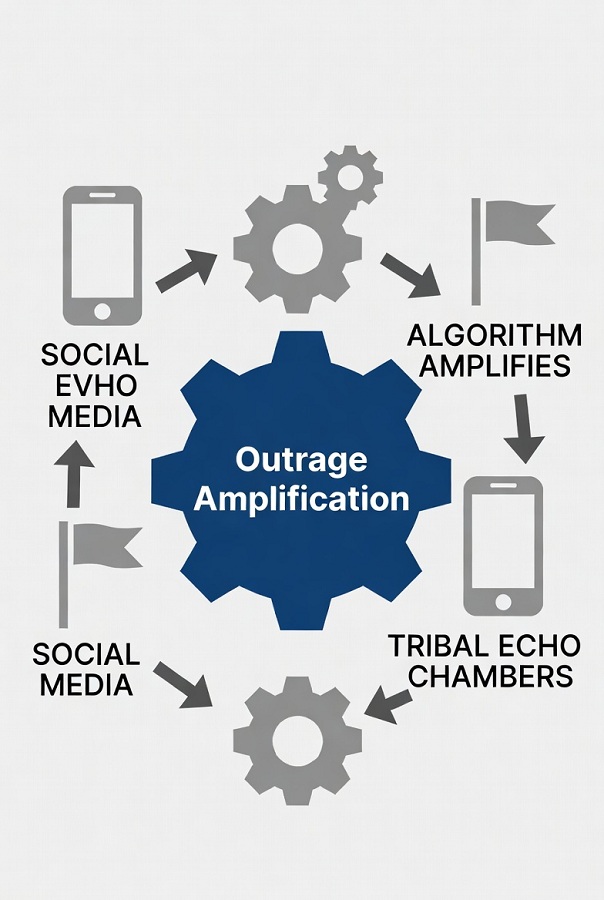
- Social Media Incentives — Platforms reward outrage and emotional intensity with likes, shares, and algorithmic boosts. Calm, reasoned voices get buried.
- Polarization And Tribalism — People increasingly sort into ideological bubbles where disagreement equals betrayal. Admitting nuance or changing one’s mind risks social exile.
- Decline In Critical Thinking Education — Many never learn how to separate ideas from identity or argue charitably. Foundations For Truthful Living directly addresses this gap.
- Emotional Reactivity Over Reason — Instant communication leaves no time for reflection. Anger spreads faster than facts.
- Cultural Shifts Toward Winning At All Costs — Debate is treated as combat rather than cooperative pursuit of truth. Victory matters more than accuracy.
The Real Costs
Lost civility produces predictable damage:
- Stifled Truth — Good ideas die in hostile environments. People self-censor to avoid attacks.
- Broken Relationships And Communities — Families, friendships, and forums fracture over politics or hot-button issues.
- Poorer Decisions — Policy, business, and personal choices suffer when nuance and counter-evidence are shouted down.
- Eroded Trust — Constant hostility makes genuine dialogue feel impossible, feeding cynicism and withdrawal.
Reclaiming Civility As A Skill
Civility is not weakness or censorship. It is a disciplined practice that strengthens truth-seeking. Practical steps include:
- Assume Good Faith — Start by granting that the other person is sincere until proven otherwise. Example: Instead of immediately labeling someone “brainwashed” for a differing view on economics, ask “What evidence convinced you of that position?” This keeps the conversation open and often reveals shared goals.
- Separate Person From Idea And Put Principles Before Personalities — Attack arguments, not character. Focus on defending or challenging principles and evidence rather than scoring personal points. Example: Say “That policy fails because the data shows X outcome” instead of “Only an idiot would support that.” Prioritizing principles prevents debates from becoming tribal loyalty tests and keeps the focus on what is true or effective, not who is on “our side.”
- Practice Steel-Manning — Restate the opposing view more fairly and strongly than its proponent did before critiquing it. Example: “If I understand you correctly, you’re saying government intervention is necessary here because markets alone have repeatedly failed in similar cases. Here is where I see that argument breaking down…” This builds credibility and often exposes actual weaknesses more effectively than straw-manning.
- Control Emotional Responses — Pause before replying. Ask: “Am I seeking truth or just winning?” Example: When a comment triggers anger, step away for five minutes, reread it neutrally, and respond to the substance. This simple habit dramatically reduces escalation and models maturity.
- Set And Enforce Clear Standards — Forums like The Dwarfstar Chronicles succeed when rules are explicit, consistently applied, and focused on productive dialogue rather than punishment. Example: Enforce “Address the argument, not the person” by gently redirecting or removing repeated personal attacks while allowing vigorous disagreement on ideas.
- Model The Behavior — Lead by example. One calm, evidence-based response can de-escalate more effectively than any rule. Example: In a heated thread, publicly acknowledge a strong point from the other side: “You’re right that this risk has been underestimated — here is additional data worth considering.”

Why This Matters For Truthful Living
The Foundations series established the “why” — critical thinking, ethics, and honest inquiry. Civil Discourse supplies the “how” in practice. Without civility, even the best foundations crumble under noise and bad faith. Reclaiming it is essential for any community serious about truth.
Call To Action
Test these principles in your next disagreement, online or off. Share examples of civil discourse that changed your mind — or cases where its absence caused real harm. What specific tactics have you found effective for keeping debates productive? Post them in the replies. Let’s build a space where rigorous disagreement strengthens rather than destroys.